Two Popular Coatings, One Common Goal
If you are looking at concrete coatings, you have probably seen the terms polyurea and polyaspartic. Both are popular choices for garage floors, patios, walkways, and commercial concrete.
They are often talked about together because they can cure quickly, create a durable surface, and perform better than basic floor paint or many DIY coating kits.
For Mississippi homes and businesses, that matters. Concrete in Biloxi, Ocean Springs, Hattiesburg, Ellisville, and Gulf Coast areas has to deal with heat, humidity, moisture, stains, and daily use.
The right coating system can make a big difference.
What Is Polyurea?
Polyurea is a durable coating material often used as a base coat in garage floor systems.
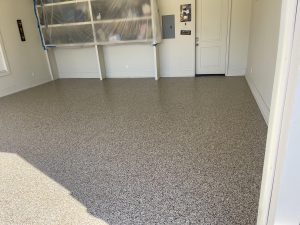
It bonds to properly prepared concrete and creates a tough foundation for the rest of the coating system. In many garage floors, decorative flakes are broadcast into the polyurea base coat before a clear topcoat is added.
Polyurea is popular because it cures quickly and can handle real garage use when installed correctly.
It is commonly used for:
Garage floors.
Workshops.
Storage areas.
Residential concrete.
Light commercial floors.
For Mississippi homeowners, polyurea can be a strong option when the concrete is properly prepared first.
What Is Polyaspartic?
Polyaspartic is another durable coating material. It is often used as a clear topcoat because it can provide strong wear resistance and good UV stability.
That UV resistance matters for areas exposed to sunlight. Outdoor patios, walkways, pool decks, and garage entries can all get strong sun exposure in Mississippi.
A polyaspartic topcoat helps protect the surface from abrasion, stains, moisture, and fading.
It is commonly used for:
Garage floor topcoats.
Patios.
Pool decks.
Walkways.
Commercial floors.
Outdoor or partly exposed concrete.
How They Work Together
Polyurea and polyaspartic are not always an either-or choice. Many professional floor coating systems use both.
A common system may include:
A polyurea base coat.
Decorative vinyl flakes or quartz.
A polyaspartic clear topcoat.
This combination gives the floor a strong bond, a clean finished look, and a protective top layer.
That is one reason professional coating systems can perform better than thin DIY products. They are built in layers, and each layer has a job.
Which One Is Better?
The better choice depends on the surface and how it will be used.
For many garage floors, polyurea works well as the base layer because it bonds strongly to prepared concrete. Polyaspartic is often preferred as the topcoat because it adds durability and UV resistance.
For outdoor surfaces, UV stability and traction become even more important. That may make a polyaspartic topcoat or textured system a better fit.
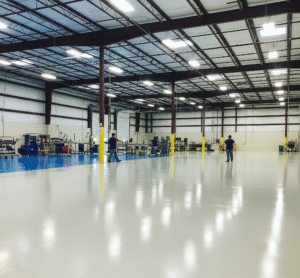
For commercial or industrial floors, the system should match the traffic, chemicals, cleaning routine, and workload.
There is no one-size-fits-all answer. The best coating is the one matched to the concrete, the environment, and the way the space is used.
Why Surface Prep Still Matters Most
Even the best coating material can fail if the floor is not prepared correctly.
Concrete must be cleaned, repaired, and mechanically prepared before coating. Grinding the surface helps create the right profile so the coating can bond.
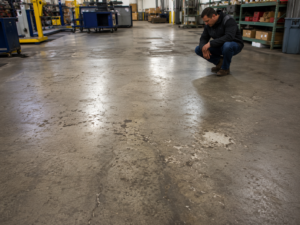
Cracks, pits, stains, and weak spots should be handled before the coating goes down.
This is especially important in Mississippi humidity. Moisture and poor prep are two common reasons coatings peel, bubble, or wear out early.
A professional coating crew should never skip this step.
How Mississippi Weather Affects the Choice
Heat and humidity can be tough on concrete coatings. Garages may deal with damp air, wet vehicles, hot tires, and moisture from the slab.
Outdoor concrete faces even more exposure. Patios, pool decks, and walkways deal with sun, rain, foot traffic, and changing temperatures.
That is why the coating system needs to be selected for Gulf Coast conditions.
A good installer will look at:
Concrete condition.
Moisture exposure.
Sun exposure.
Traffic level.
Desired texture.
Indoor or outdoor use.
This helps determine which coating system makes the most sense.
Polyurea vs. Polyaspartic for Garage Floors
For garage floors, both materials can be part of a smart system.
Polyurea is often used for the base coat because it bonds well and cures fast. Polyaspartic is often used for the topcoat because it adds protection and helps the floor resist wear.
Together, they can create a garage floor that looks finished, cleans easier, and holds up better than bare concrete.
For Mississippi garages, that means better protection against oil, hot tires, mud, moisture, and daily foot traffic.
Polyurea vs. Polyaspartic for Outdoor Concrete
For patios, pool decks, walkways, and other outdoor areas, the system needs to handle sunlight and moisture.
Polyaspartic topcoats can be useful because of their UV resistance. Textured finishes, flakes, or quartz can also help create a more practical surface for wet areas.
Pool decks and walkways should never be chosen by looks alone. Grip and comfort matter too.
A Professional Recommendation Matters
The best way to choose between polyurea and polyaspartic is to have the concrete inspected.
A professional can tell whether the surface needs crack repair, extra prep, moisture attention, or a specific coating system.
The goal is not to sell the most complicated option. The goal is to install the right system for the space.
Need the Right Floor Coating System?
For a straight answer on polyurea, polyaspartic, or the best coating for your concrete, contact ICM Coating Masters. We’ll help you choose a durable system built for Mississippi heat, humidity, and everyday use.